
How to Read Kratom Lab Test Results: A Complete Guide
Ever wondered what’s really in your Kratom? Lab test reports are the key to understanding...
View PostYour cart is currently empty.
Continue ShoppingMenu
Cart
Your cart is currently empty.
Continue ShoppingAccount

Search
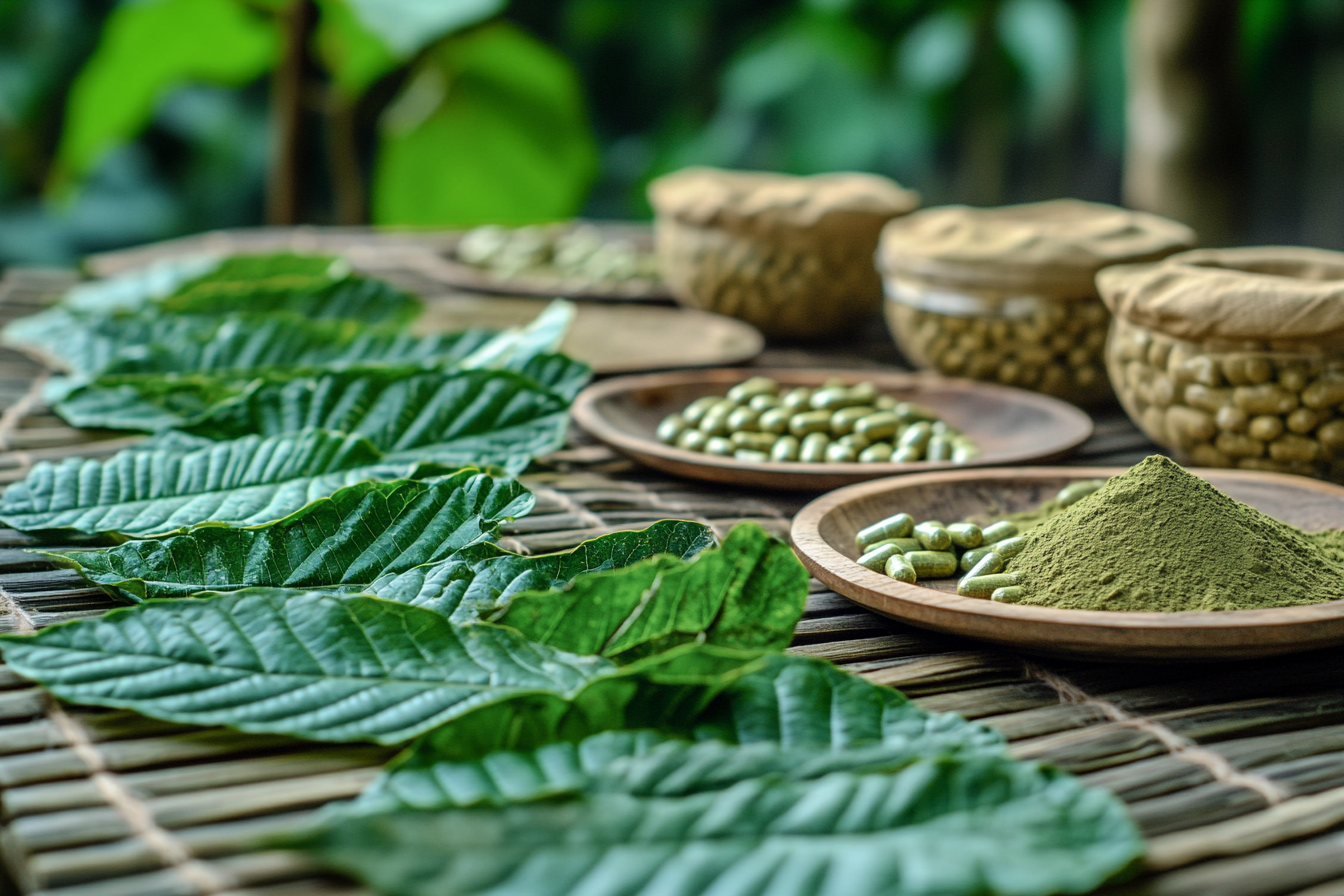
Kratom is a plant that inspires curiosity, debate, and misunderstanding. Some people hear about it through headlines, others through friends, but few have a complete picture of what it is. At its core, kratom is a tropical tree with leaves that contain dozens of naturally occurring compounds called alkaloids.
This guide explains kratom clearly and completely. From the tree itself and its chemistry to its history, legality, and the standards that define real quality today.
1. The Kratom Tree: Nature’s Coffee Cousin
Takeaway: Kratom’s chemistry is inseparable from the tropical environment where it has always grown.
2. Alkaloids: The Natural Chemistry of Kratom
Alkaloids are compounds that many plants produce to survive. They are not unique to kratom; some of the world’s most familiar plants rely on them.
Why Plants Make Alkaloids
Other Plants That Produce Alkaloids
Kratom belongs to this broader family of alkaloid-producing plants. Its alkaloids are distinct, with mitragynine as the primary compound.
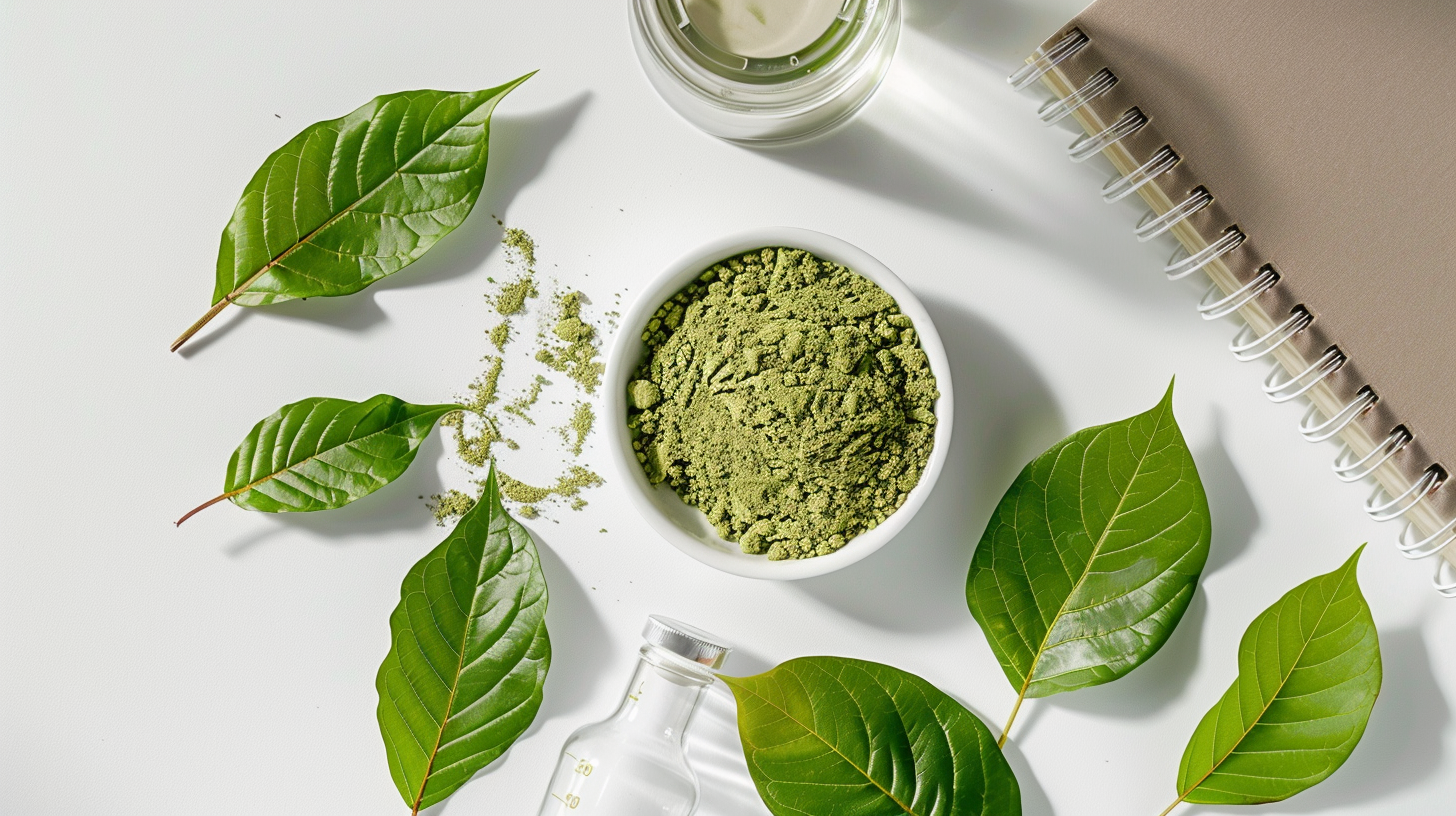
3. The 7-Hydroxymitragynine (7-OH) Question
Few alkaloids have drawn more attention than 7-hydroxymitragynine.
Takeaway: 7-OH does not appear in fresh leaves. It is a trace byproduct of drying and always remains minimal in natural kratom.
4. Alkaloids in Kratom: Real Lab Data
Scientists have identified more than 40 alkaloids in kratom, though only a few appear in significant concentrations. Each batch carries a unique “fingerprint,” which is why lab testing matters.
Here are the COA Results illustrating the alkaloid profile from one batch of Golden Monk Green Vein Kratom tested in July 2025:

Minor Alkaloids (per 2.5 g serving):
Total Measured Alkaloids:
Other alkaloids sometimes identified in kratom include akuammigine, corynantheidine, rhynchophylline, epicatechin, mitraciliatine, stipulatine, and tetrahydroalstonine. These typically occur in trace amounts.
5. A Cultural History of Kratom Use
Kratom has been part of daily life in Southeast Asia for centuries.
6. Strains and Leaf Variations
Kratom is marketed by vein color and strain name.
Takeaway: Strain names are guides, but vein color, harvest timing, and lab reports reveal the most accurate details.
7. Traditional and Modern Consumption
Traditional methods:
Modern methods:
Takeaway: Whether chewed, brewed, or packaged in capsules, the leaf itself is the foundation.
8. Legality and Regulation
Kratom’s legal status is patchwork and constantly changing.
Takeaway: Always confirm local laws before purchasing or traveling with kratom.
9. Quality and Safety Standards
True quality means more than “lab tested.” At Golden Monk, every batch is subject to full panel testing and handled under controlled conditions that meet global food safety benchmarks.
Full Panel Testing Covers:
Cleanroom Packaging and Controls
Quarantine and Storage
Takeaway: Quality kratom requires clean rooms, GMP standards, ATP swabs, and global food safety systems. Not just alkaloid testing.
Final Word
Kratom is a tree with deep roots, complex natural chemistry, and centuries of cultural history. Today, its story is shaped not only by tradition but also by science, regulation, and trust.
At Golden Monk, our mission is simple: respect the leaf and respect the customer. That means full panel testing, ISO8 clean room packaging, ATP cleanliness verification, GMP compliance, and honest pricing. No shortcuts. No gimmicks. Just clean kratom, delivered with care.

Ever wondered what’s really in your Kratom? Lab test reports are the key to understanding...
View Post
Are you also confused about which Kratom form you should try for your busy schedule?...
View Post
When discussing ‘Kratom Tea vs Powder,’ you must understand that Kratom tea is brewed from...
View PostBy clicking yes you also confirm that you have read and agree to GoldenMonk's Terms of Service and Privacy Policy and Goldenmonks’s service provider’s terms of service and privacy policy.
This product is NOT used to treat, cure. or mitigate any disease, illness, ailment, and/or condition. Please see FDA import alert 54-15. We make no representations as to intended use or suitability for use. This product contains chemicals known to the state of California to cause cancer, birth defects, or other reproductive harm. Specifically, nickel, arsenic, and lead. For more information please visit p65warnings.ca.gov
We do not supply any usage instructions or directions for use on this website or on product packaging. We do not endorse our product use for any purpose and sell it without any directions for this reason. The customer is fully liable to decide which way they use our products and by purchasing fully agree to these terms and understand the meaning of them. All customers are fully liable for the due diligence and research they carry out on intended use of the products we carry. Customers are responsible for knowing the risks and issues that could arise from the way they use or handle our products.
By purchasing from goldenmonk.com you agree to hold the website harmless from any issue that may arise from the use or handling of our products. From the moment the intended recipient of an order receives the product, the hold harmless clause goes into effect. Additionally, we are not responsible for any third-party handling of the product(s). The intended recipient is the person who receives the product at the shipping address that the customer supplies in their order details.
We require all users of this website to comply with the age restrictions. Users below 21 years of age are not allowed to browse or access any of our content under the terms of service policy. If you are under 21 years of age, please leave this website immediately. Anyone under 21 years of age cannot browse this website even if they are accompanied by someone over the age of 21.
By purchasing our products, you understand that there may be various legalities between states and counties. While this website keeps up with laws and legislation, we cannot guarantee the information is 100% up to date. The customer is liable for their purchase and the due diligence of knowing the laws in their area. We will not be held responsible for any use of our products in which the customer orders to or travels to.
The customer understands that their personal data will be used for the operation and business of this website. The use of this personal data is used to ship orders, contact our customers and to complete payments. For more information on how we use and protect this personal data, please see our privacy policy.
We reserve the right to terminate the access of any user to this website at any time for any reason. We do not need to give a reason for terminating a user account or customer from our database. We reserve the right to block any customer account, user IP address, email address, phone number, shipping or billing address at any time for any reason as we see fit. We may also block a specific payment method or blacklist a customer altogether from all payment methods.
Phone: +1 866 845 7202
Email: [email protected]
GMA Acquisitions LLC
380 West Lawndale Dr.
Salt Lake City, UT, 84115